






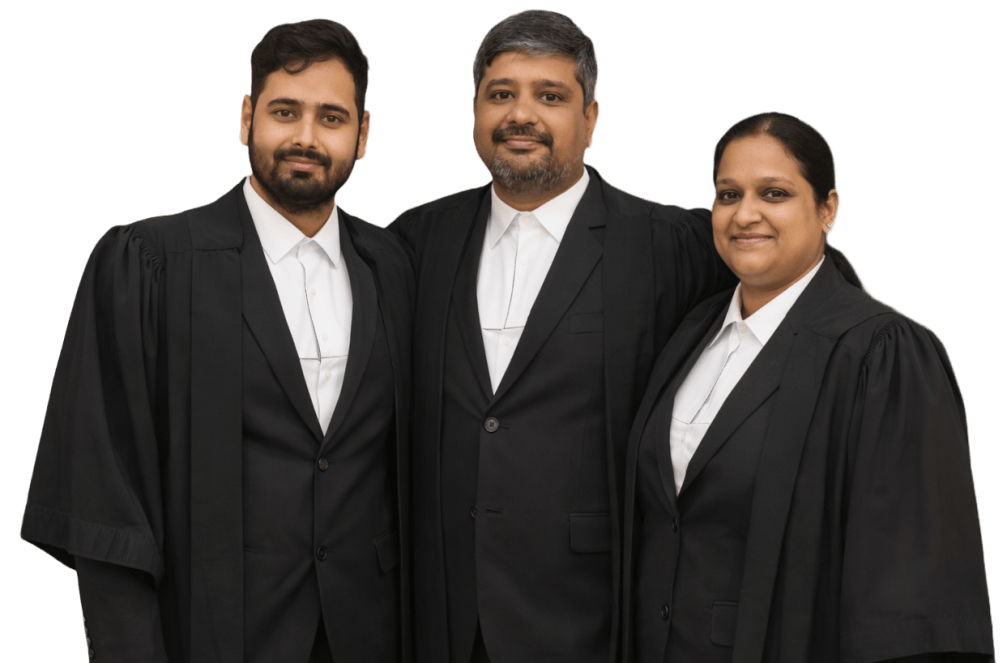


Best Divorce Lawyer in Dwarka Court: Your Complete Guide to Filing and Winning a Divorce Case
Looking for the best divorce lawyer in Dwarka Court to help you navigate one of the most emotionally and legally complex phases of your life? You are not alone. Every year, hundreds of divorce petitions are filed at the Dwarka District Courts Complex in Sector 10, Dwarka, New Delhi, and choosing the right legal representation can make the difference between a fast, fair resolution and a prolonged, stressful battle. At Apolegal, we understand that divorce is never just a legal matter — it is a life-altering decision that affects your finances, your family, your children, and your peace of mind. This guide is designed to help you understand everything about divorce proceedings at Dwarka Court and how to find a lawyer who will genuinely fight for your interests.
Whether you are looking at a mutual consent divorce, a contested divorce, or need guidance on maintenance, child custody, or alimony, this comprehensive blog will walk you through the entire process, the jurisdiction of Dwarka Court, what to expect at each hearing, and the exact qualities you should look for before hiring a divorce lawyer near you.
Understanding Dwarka Court and Its Jurisdiction
The Dwarka District Courts Complex is one of the largest and most well-organized court complexes in Delhi, located in Sector 10, Dwarka, New Delhi – 110075. It handles civil, criminal, and family matters for residents of South West Delhi, including areas such as Dwarka (all sectors), Uttam Nagar, Najafgarh, Vikaspuri, Palam, Bindapur, Nawada, Matiala, and surrounding localities.
Family and matrimonial disputes, including divorce petitions, are typically heard by the Principal Judge, Family Court, at the Dwarka Courts Complex. This makes it essential to hire a lawyer who is not only well-versed in matrimonial law but who also has hands-on courtroom experience specifically at Dwarka Court — someone familiar with the local judges’ expectations, the court’s procedural timelines, and the administrative staff who manage case listings and filings.
An advocate who regularly appears at Dwarka Court will know:
- Which family court rooms typically handle mutual consent versus contested matters
- The average time gap between hearings for different case types
- Local mediation centers attached to the court complex
- How to expedite urgent matters like domestic violence-linked divorce petitions or maintenance applications
This local expertise is exactly why Apolegal recommends engaging a Dwarka Court-based divorce lawyer rather than an outstation advocate who may not be familiar with the complex’s practical workings.
Why Location Matters When Choosing a Divorce Lawyer
Many people assume that any lawyer with a divorce law degree can represent them anywhere. While technically true, in practice, geographic familiarity plays a significant role in how efficiently your case moves forward. Here’s why hiring a divorce lawyer who specifically practices at Dwarka Court matters:
1. Familiarity with local procedure: Every district court has its own administrative rhythm — filing formats, e-filing systems, listing patterns, and even preferred documentation styles. A Dwarka Court regular will save you from unnecessary delays caused by procedural errors.
2. Established relationships with mediators and counselors: Family courts in Delhi, including Dwarka, often refer couples to mediation before proceeding to a full trial. Lawyers with a strong local presence often have a working understanding of the mediation centre’s approach, which helps in preparing clients better.
3. Reduced travel and coordination hassles: If you reside in Dwarka, Uttam Nagar, Najafgarh, or nearby localities, hiring a lawyer based near the court reduces logistical friction — from document verification to last-minute hearing preparations.
4. Better cost predictability: Local lawyers are generally more transparent about court-specific costs (court fees, stamp duty, miscellaneous filing charges) since they handle such cases routinely.
Types of Divorce Cases Handled at Dwarka Court
Divorce in India is governed by different personal laws depending on religion — the Hindu Marriage Act, 1955; the Special Marriage Act, 1954; the Indian Divorce Act, 1869 (for Christians); the Parsi Marriage and Divorce Act, 1936; and Muslim personal law along with the Dissolution of Muslim Marriages Act, 1939. Dwarka Court’s Family Court handles matters under all these applicable statutes for residents falling within its territorial jurisdiction.
1. Mutual Consent Divorce
This is the most amicable and fastest route, filed under Section 13B of the Hindu Marriage Act (or the equivalent provision under other personal laws) when both spouses agree to end the marriage and have settled issues like alimony, custody, and asset division.
2. Contested Divorce
Filed when one spouse seeks divorce on specific grounds such as cruelty, desertion, adultery, conversion, mental disorder, or irretrievable breakdown of marriage, while the other party does not consent. These cases are more time-consuming and require detailed evidence, cross-examinations, and multiple hearings.
3. Divorce with Child Custody Disputes
When children are involved, custody, visitation rights, and guardianship become central issues. The court considers the best interest of the child as the guiding principle.
4. Divorce with Maintenance and Alimony Claims
Cases involving interim maintenance under Section 24 of the Hindu Marriage Act, or permanent alimony under Section 25, often run parallel to the main divorce proceedings.
5. NRI Divorce Cases
Dwarka Court also deals with a growing number of NRI divorce matters, given the significant NRI population connected to South West Delhi. These cases often involve jurisdictional complexities, cross-border service of summons, and enforcement of foreign court orders.
Step-by-Step Divorce Process at Dwarka Court
Understanding the procedural journey helps reduce anxiety and prepares you for what lies ahead. Here is a general overview of how a divorce case typically proceeds at Dwarka Court:
Step 1: Consultation and Case Assessment Your lawyer reviews your marriage certificate, grounds for divorce, financial documents, and any prior legal notices or FIRs to determine the appropriate legal strategy.
Step 2: Drafting and Filing the Petition The divorce petition is drafted, citing the relevant grounds and relief sought (dissolution of marriage, custody, maintenance, etc.), and filed before the Family Court at Dwarka.
Step 3: First Motion (for Mutual Consent Cases) Both parties record their statements before the court affirming their consent to divorce and the terms of settlement.
Step 4: Cooling-Off Period A mandatory 6-month cooling-off period (which can be waived in appropriate cases per Supreme Court precedent) is provided between the first and second motion in mutual consent divorces, allowing couples a chance for reconciliation.
Step 5: Second Motion and Final Statements If both parties still wish to proceed after the cooling-off period, they appear again to confirm their decision, after which the court can grant the decree of divorce.
Step 6: Trial Proceedings (for Contested Cases) This includes written statements, framing of issues, evidence recording, cross-examination of witnesses, and final arguments — a process that can take anywhere from one to several years depending on complexity and cooperation between parties.
Step 7: Final Decree Once the court is satisfied with the evidence and arguments, it passes a final judgment either granting or denying the divorce, along with orders on ancillary issues like custody and maintenance.
Mutual Consent vs. Contested Divorce: A Quick Comparison
| Parameter | Mutual Consent Divorce | Contested Divorce |
|---|---|---|
| Consent Required | Both spouses agree | Only one spouse initiates |
| Average Duration | 6 months to 1 year | 1 to 5+ years |
| Grounds Needed | Mutual agreement to separate | Specific legal grounds (cruelty, desertion, etc.) |
| Cost Involved | Comparatively lower | Higher due to prolonged litigation |
| Emotional Stress | Relatively lower | Significantly higher |
| Evidence & Trial | Not usually required | Required, including witness examination |
| Outcome Certainty | High, if terms are settled | Uncertain, depends on court’s assessment |
This table highlights why many couples, when possible, prefer to explore mutual consent divorce first — but when reconciliation or agreement isn’t feasible, a skilled contested-divorce lawyer becomes indispensable.
Qualities to Look for in the Best Divorce Lawyer in Dwarka Court
Choosing the right advocate is one of the most important decisions you will make during this process. Here’s what to prioritize:
1. Specialization in Family and Matrimonial Law Divorce law is a specialized field. Ensure your lawyer has substantial experience specifically handling matrimonial disputes, not just general litigation.
2. Proven Track Record at Dwarka Court Ask about their experience appearing specifically before the Family Court at Dwarka. Local courtroom experience often translates into smoother case management.
3. Strong Negotiation and Mediation Skills A good divorce lawyer doesn’t just prepare for trial — they also know how to negotiate favorable settlements, especially in mutual consent and alimony discussions, which can save you years of litigation.
4. Transparent Fee Structure Reputable lawyers and firms, including Apolegal, provide clear, upfront information about consultation fees, filing costs, and hearing charges, avoiding hidden costs later.
5. Sensitivity and Communication Divorce cases are emotionally taxing. The right lawyer listens patiently, communicates clearly, and keeps you informed at every stage without adding to your stress.
6. Strong Documentation and Drafting Skills Since much of a divorce case rests on properly drafted petitions, affidavits, and settlement agreements, meticulous drafting is non-negotiable.
7. Availability and Responsiveness Given those tight and sometimes short-notice hearing dates, your lawyer’s availability and quick responsiveness can significantly affect how well-prepared you are for each hearing.
Why Choose Apolegal for Your Divorce Case at Dwarka Court
At Apolegal, we bring together a team of experienced matrimonial lawyers who regularly practice before the Family Court at Dwarka and understand the nuances of local procedure, judge expectations, and case management. Our approach is built on three pillars:
Empathetic Legal Counsel: We recognize that behind every divorce petition is a person going through a difficult chapter of life. Our lawyers take the time to understand your specific situation before recommending a legal strategy.
Strategic Case Handling: Whether it’s negotiating a mutual consent settlement or building a strong case for contested proceedings, our team focuses on achieving outcomes that protect your rights, your finances, and your children’s wellbeing.
End-to-End Support: From the first legal notice to the final decree — and even post-divorce matters like maintenance enforcement or custody modification — Apolegal provides comprehensive support so you don’t have to navigate the system alone.
We also assist NRIs and out-of-town clients by managing documentation, court appearances (through appropriate legal authorization), and coordination remotely wherever the law permits, minimizing the need for frequent travel to Delhi.
Understanding the Cost of Hiring a Divorce Lawyer in Dwarka
Legal fees for divorce cases vary widely depending on the complexity of the matter, whether it is mutual consent or contested, and the reputation and experience of the lawyer. Broadly, costs include:
- Consultation fees, typically charged per session or as a package for initial case assessment
- Drafting and filing charges for the petition and supporting documents
- Per-hearing appearance fees, especially relevant in contested matters with multiple hearings
- Court fees and miscellaneous administrative costs, which are separate from lawyer fees and paid to the court directly
Apolegal believes in complete fee transparency. We discuss all potential costs upfront during your initial consultation so you can plan your finances without unexpected surprises later in the process.
Common Mistakes to Avoid When Filing for Divorce
Many individuals unknowingly complicate their own divorce proceedings. Here are common pitfalls to watch out for:
- Delaying legal consultation until the situation escalates, which limits available options.
- Attempting to self-draft petitions without professional guidance, leading to procedural rejections or delays.
- Concealing financial information during maintenance or alimony discussions, which can backfire legally.
- Ignoring mediation opportunities, which, when successful, can save years of litigation and legal costs.
- Choosing a lawyer based on cost alone, rather than experience and specialization, which can compromise case outcomes.
- Not keeping documentation organized — including marriage certificates, financial records, and correspondence — which slows down case preparation.
The Role of Mediation and Counseling in Divorce Cases
Delhi’s family courts, including Dwarka, actively encourage mediation before proceeding to full-fledged litigation. Mediation centres attached to the court complex offer a structured, confidential space where couples can explore reconciliation or negotiate an amicable settlement with the help of a trained mediator. Many disputes over custody, maintenance, and property division are resolved more efficiently through mediation than through prolonged trial proceedings. A good divorce lawyer will guide you on whether mediation is a viable option in your specific case and help you prepare for these sessions strategically.
Child Custody Considerations at Dwarka Court
When minor children are involved, custody becomes one of the most sensitive aspects of a divorce case. Indian courts, including the Family Court at Dwarka, apply the “best interest of the child” standard rather than automatically favoring either parent. Factors considered typically include:
- The child’s age and emotional attachment to each parent
- Each parent’s financial stability and living conditions
- The child’s own preference, particularly if they are old enough to express a reasoned opinion
- Any history of domestic violence or neglect
Custody arrangements can include sole custody, joint custody, or specified visitation rights, and courts increasingly favor arrangements that allow the child continued access to both parents wherever safe and appropriate.
Frequently Asked Questions (FAQs)
1. How long does a mutual consent divorce take at Dwarka Court?
A mutual consent divorce typically takes between six months and one year, including the mandatory cooling-off period between the first and second motion. In certain cases, courts may waive this cooling-off period if reconciliation attempts have genuinely failed. Timelines can vary based on court schedules, document readiness, and how promptly both parties fulfill procedural requirements at each hearing stage.
2. What documents are required to file a divorce petition at Dwarka Court?
You generally need your marriage certificate, proof of residence establishing jurisdiction, identity proof, income and asset details, photographs from the wedding, and any relevant correspondence or evidence supporting your grounds for divorce. For mutual consent cases, a written settlement agreement covering alimony, custody, and asset division is also required to be filed with the petition.
3. Can I file for divorce at Dwarka Court if my spouse lives elsewhere?
Yes, jurisdiction can be established at Dwarka Court if the marriage was solemnized within its territorial limits, if the couple last resided together there, or if the petitioner currently resides within its jurisdiction. A qualified divorce lawyer can assess your specific circumstances and confirm whether Dwarka Court is the appropriate forum for filing your case.
4. How much does it cost to hire a divorce lawyer in Dwarka?
Costs vary based on case complexity, whether it’s mutual consent or contested, and the lawyer’s experience level. Mutual consent cases are generally more affordable due to fewer hearings, while contested divorces cost more due to extended litigation. Apolegal offers transparent, upfront fee structures during the initial consultation so clients can plan accordingly without hidden charges.
Conclusion
Divorce is undoubtedly one of the most challenging legal and emotional journeys a person can go through, but having the right legal partner by your side can transform an overwhelming process into a manageable one. If you are searching for the best divorce lawyer in Dwarka Court, prioritize experience, local courtroom familiarity, transparent communication, and genuine empathy for your situation. At Apolegal, our team is committed to guiding you through every stage — from your first consultation to the final decree — ensuring your rights, your children’s wellbeing, and your future are protected throughout the process.
If you are ready to take the next step, reach out to Apolegal today for a confidential consultation with our experienced matrimonial law team serving Dwarka, Uttam Nagar, Najafgarh, Vikaspuri, and surrounding areas of South West Delhi.